What are pneumatic equipment?
Pneumatic equipment uses compressed air to create motion, control and automation. Cylinders provide linear movement, valves direct the air, air preparation units clean and regulate it, and fittings and tubing connect the system. These are the basic components of production lines, packaging, machine building and process automation.
Types of pneumatic equipment
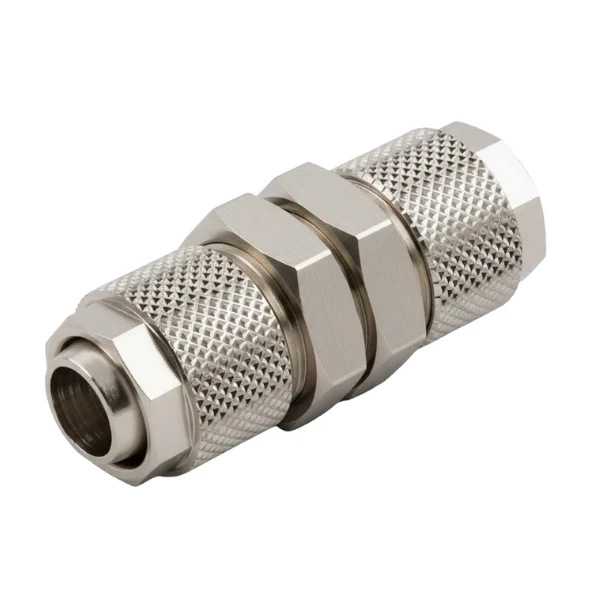
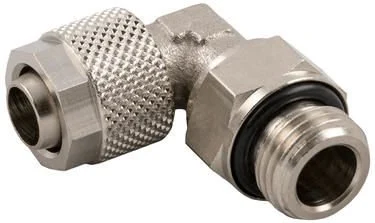
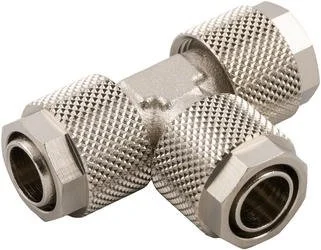
Pneumatic cylinders (ISO 15552, compact, mini), directional control valves (5/2, 5/3, 3/2; solenoid or air piloted), air preparation units (filter, regulator, lubricator), push-in and compression fittings, polyurethane and polyamide tubing, quick couplings and aluminium compressed-air piping systems.
How to choose pneumatic equipment
- Working pressure and air quality: filtered, regulated air.
- Cylinder bore and stroke for the required force and travel.
- Valve type and coil voltage: 24 V DC, 220 V AC; NAMUR or manifold mounting.
- Connection size: tube OD (4–16 mm) and thread (1/8"–1").
Pneumatic equipment range at ORFA
ORFA supplies 3605 pneumatic equipment models from brands including Aignep, Maxtor, EFIT, Euroflex, SHPI and Sms-tork. Connections: threaded, compression, flanged, hose tail; body materials: stainless steel, aluminium, brass, PVC-U, bronze. Use the filters to narrow the range by size, pressure rating, connection and material.
Pneumatic equipment prices and supply
Pneumatic equipment prices are shown in USD, excluding local taxes, with worldwide shipping from Türkiye. For project quantities, models not listed or technical selection support, request a quote or call +90 224 444 67 32 — our export team will reply with price, lead time and shipping options.
Frequently asked questions
What does 5/2 valve mean?
A directional valve with 5 ports and 2 positions, used to drive double-acting cylinders back and forth.
Why is an air preparation unit needed?
It removes water, oil and particles and stabilises pressure, extending the life of valves and cylinders.
How are push-in fittings used?
The tube is pushed in to connect and released by pressing the collet – no tools required.