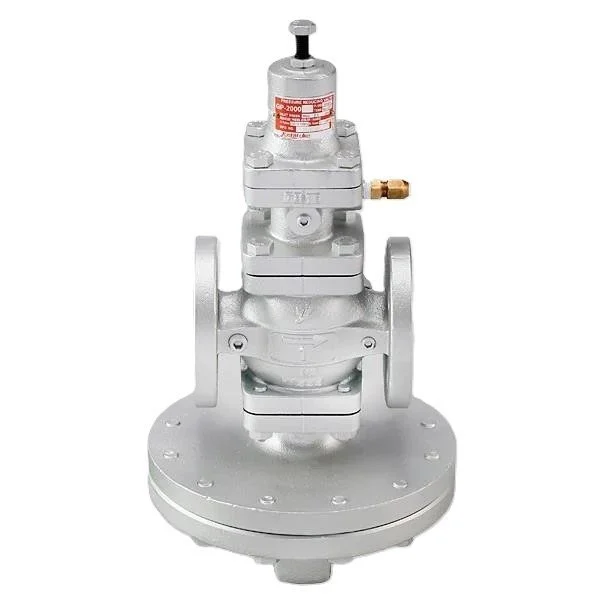
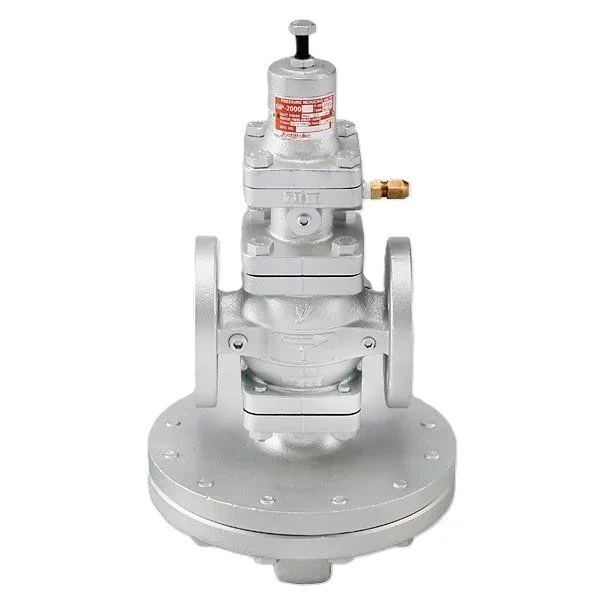
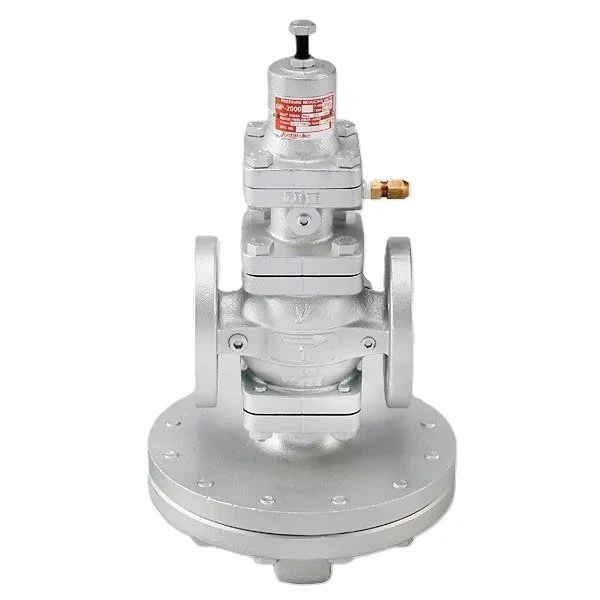
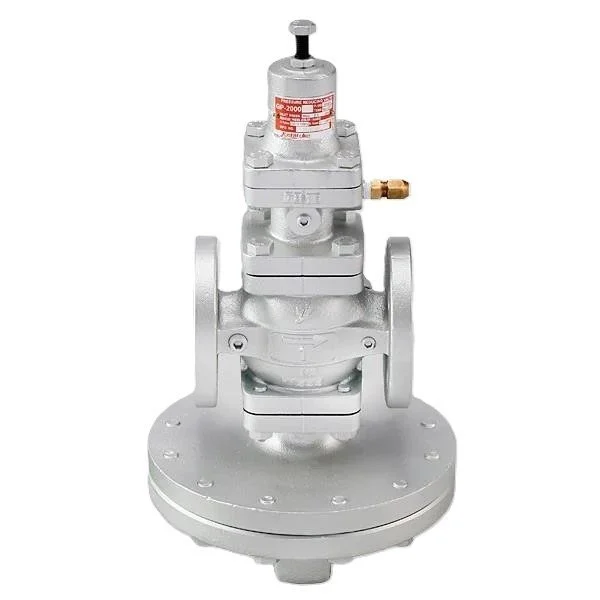
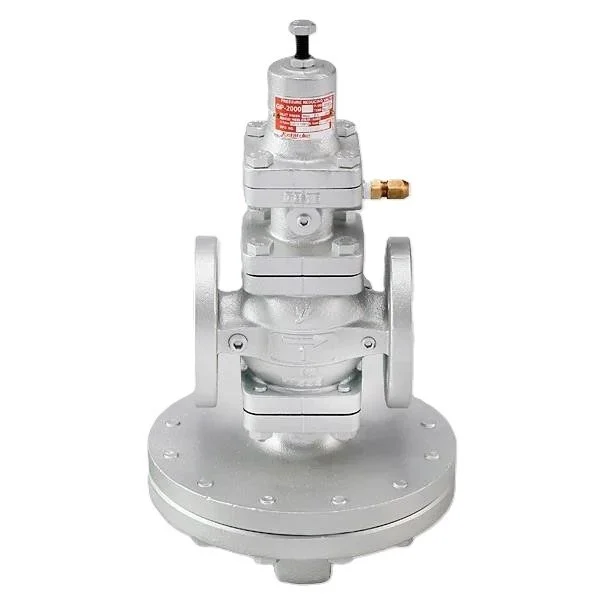
What is a pressure reducing valve?
A pressure reducing valve lowers a high and fluctuating inlet pressure to a constant, lower set outlet pressure. In buildings with high mains pressure it protects pipework, fittings and appliances and saves water; on steam and gas lines it holds the pressure the equipment needs.
Types of pressure reducing valves
Water pressure reducing valves for homes and buildings, hydraulic pressure reducing control valves for large networks, steam pressure reducing valves, gas pressure regulators and automatic boiler fill valves from Konsan, Ayvaz, Yoshitake and ECA.
How to choose pressure reducing valves
- Inlet and desired outlet pressure within the adjustment range.
- Flow: size to hold pressure at maximum demand.
- Fluid: water, steam or gas.
- Connection: threaded, union or flanged; fit a strainer upstream.
Pressure reducing valve range at ORFA
ORFA supplies 212 pressure reducing valve models from brands including Konsan, Ayvaz, Klepsan, Yoshitake, ECA and FARG S.r.l.. Sizes DN15–DN200; pressure ratings PN16, PN25; connections: compression, threaded; body materials: cast/ductile iron, brass, bronze, stainless steel AISI 304. Use the filters to narrow the range by size, pressure rating, connection and material.
Pressure reducing valve prices and supply
Pressure reducing valve prices are shown in USD, excluding local taxes, with worldwide shipping from Türkiye. For project quantities, models not listed or technical selection support, request a quote or call +90 224 444 67 32 — our export team will reply with price, lead time and shipping options.
Frequently asked questions
Why is a pressure reducing valve needed?
It prevents high mains pressure from damaging installation and appliances and reduces water waste.
How is it adjusted?
Turn the adjusting screw while reading the outlet pressure gauge.
Why fit a strainer upstream?
To stop particles damaging the seat and upsetting the pressure setting.