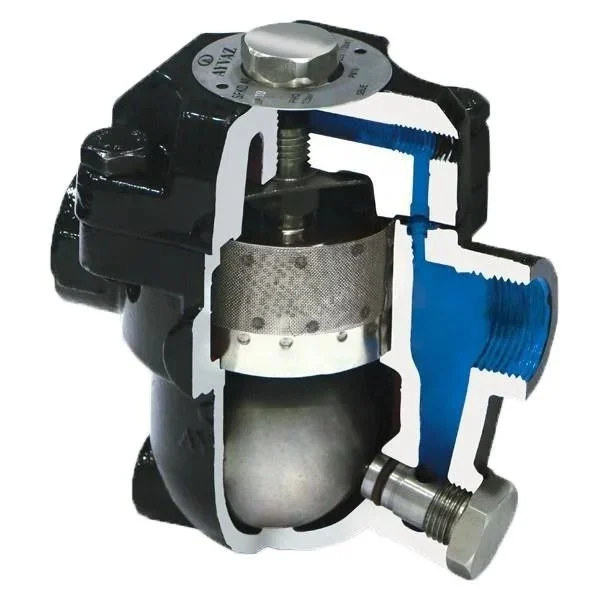
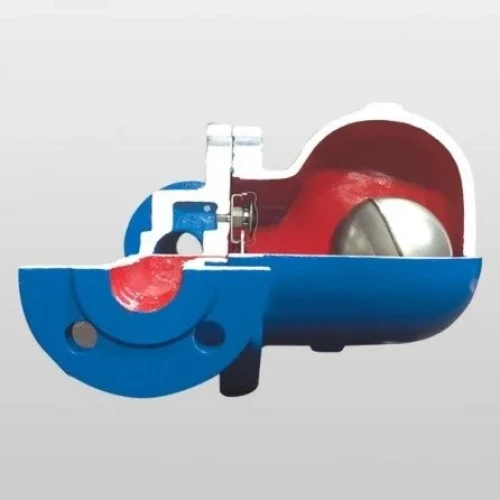
What is a steam trap?
A steam trap is an automatic valve that discharges condensate, air and non-condensable gases from steam lines and steam-heated equipment while holding back live steam. A correctly selected steam trap saves energy, prevents water hammer and keeps heat exchangers, coils, presses and boilers working efficiently.
Types of steam traps
Three main groups by operating principle: mechanical traps (float and inverted bucket) respond to condensate level; thermostatic traps (capsule and bimetallic) respond to temperature difference; thermodynamic traps use a disc that reacts to velocity and pressure differences between steam and condensate.
How to choose steam traps
- Application: float traps for process equipment (exchangers, coils); thermodynamic or inverted bucket for steam main drainage; thermostatic for tracing lines.
- Pressure and differential pressure: the trap must deliver enough capacity at the available differential.
- Condensate load (kg/h), including start-up load.
- Connection and material: threaded, flanged or welded; cast iron, steel or stainless steel body.
Steam trap range at ORFA
ORFA supplies 449 steam trap models from brands including Ayvaz, ARI-Armaturen, Armstrong, Konsan, Spirax Sarco and Unox. Sizes DN15–DN80; pressure ratings PN10, PN16, PN25, PN32, PN40, PN63; connections: flanged, threaded, welded; body materials: cast/ductile iron, carbon steel, stainless steel, brass, stainless steel AISI 316. Use the filters to narrow the range by size, pressure rating, connection and material.
Steam trap prices and supply
Steam trap prices are shown in USD, excluding local taxes, with worldwide shipping from Türkiye. For project quantities, models not listed or technical selection support, request a quote or call +90 224 444 67 32 — our export team will reply with price, lead time and shipping options.
Frequently asked questions
What does a steam trap do?
It removes condensate and air from steam lines while preventing live steam loss, avoiding energy waste and water hammer.
Which type of steam trap should I choose?
Float traps for temperature-controlled equipment, thermodynamic or inverted bucket for steam main drainage, thermostatic or bimetallic for tracing lines.
How can a failed steam trap be detected?
Blowing live steam (failed open) or not discharging condensate (failed closed) are the most common failures; check with a sight glass, temperature or ultrasonic testing.
Do you supply steam traps for export?
Yes, from Ayvaz, ARI-Armaturen, Armstrong and others, with USD prices and worldwide shipping.