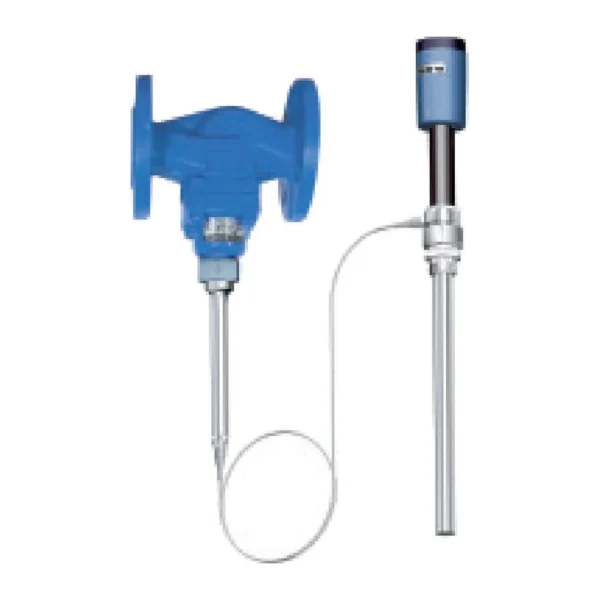
What is a thermostatic control valve?
A thermostatic control valve keeps a fluid at a constant temperature by adjusting flow through a temperature-sensing element (capillary or sensor) – without any electrical power. It is widely used for domestic hot water mixing, heat exchangers, cooling circuits and machine cooling.
Types of thermostatic control valves
Self-acting thermostatic valves with capillary sensors, thermostatic mixing valves for domestic hot water, cooling water thermostatic valves and thermostatic radiator valves from Danfoss, ARI-Armaturen and Watts.
How to choose thermostatic control valves
- Set range covering the controlled temperature.
- Duty: heating (closes on rising temperature) or cooling (opens on rising temperature).
- Flow and Kvs.
- Capillary length and sensor mounting.
Thermostatic control valve range at ORFA
ORFA supplies 158 thermostatic control valve models from brands including Danfoss, ARI-Armaturen, Watts and Elektro Kalori. Sizes DN15–DN50; body materials: stainless steel, brass. Use the filters to narrow the range by size, pressure rating, connection and material.
Thermostatic control valve prices and supply
Thermostatic control valve prices are shown in USD, excluding local taxes, with worldwide shipping from Türkiye. For project quantities, models not listed or technical selection support, request a quote or call +90 224 444 67 32 — our export team will reply with price, lead time and shipping options.
Frequently asked questions
Does a thermostatic valve need electricity?
No, it operates by the expansion of its sensing element.
What does a thermostatic mixing valve do?
It blends hot and cold water to a safe, constant outlet temperature, preventing scalding.
Where are cooling thermostatic valves used?
For compressor, machine and mould cooling, increasing cooling water as temperature rises.